

Hydropower
Hydropower is a traditional and efficient way to produce renewable electricity. Herrfors operates several own hydropower plants along the Esse River and has partial ownership of several other plants across Finland.
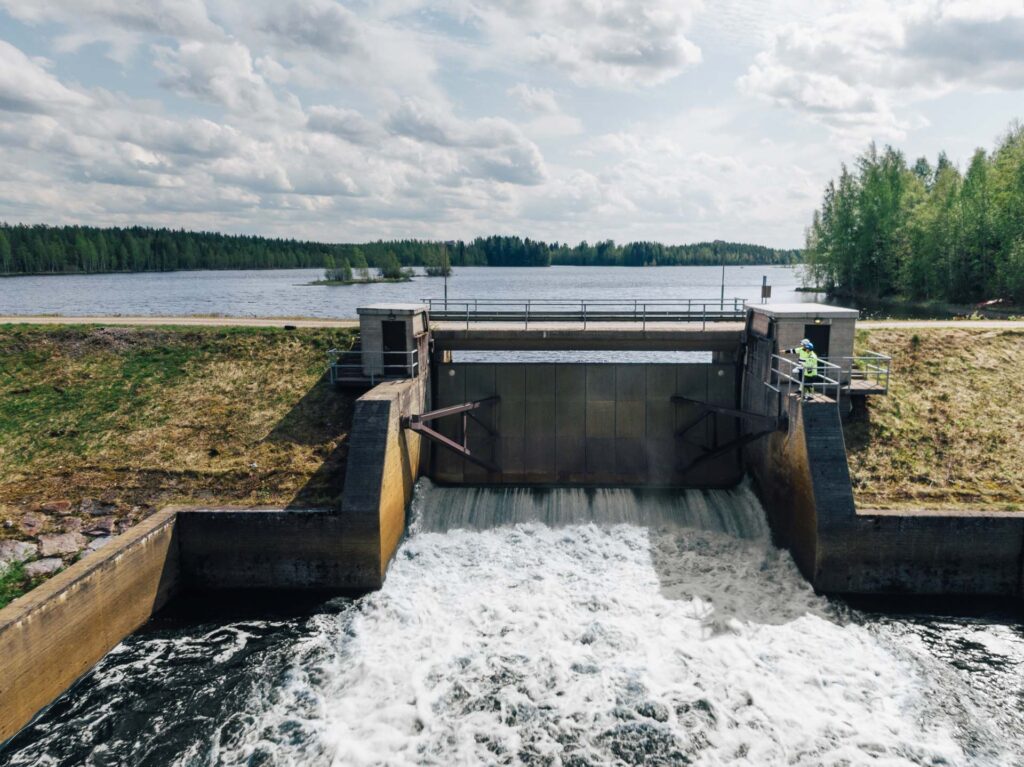
Hydropower – a stable source of renewable energy
Hydropower plays an essential role in Finland’s electricity system, helping the country reach its carbon neutrality target by 2035. Finland has more than 220 hydropower plants. During operation, hydropower generation produces no direct carbon dioxide emissions. The share of hydropower in Finland’s total electricity production varies between 10% and 20% depending on annual water conditions.
Renewable energy source
Hydropower is a renewable and domestic energy source. During operation, electricity generation produces no direct carbon dioxide emissions.
Important role in electricity production regulation
Hydropower is responsible for a significant part of electricity production regulation, which is needed to manage daily fluctuations in electricity consumption and to ensure the stability and frequency of the power grid.
Local production
Herrfors’ hydropower plants are mainly located in Ostrobothnia. Production takes place close to customers and creates jobs in the region.
How does hydropower work?
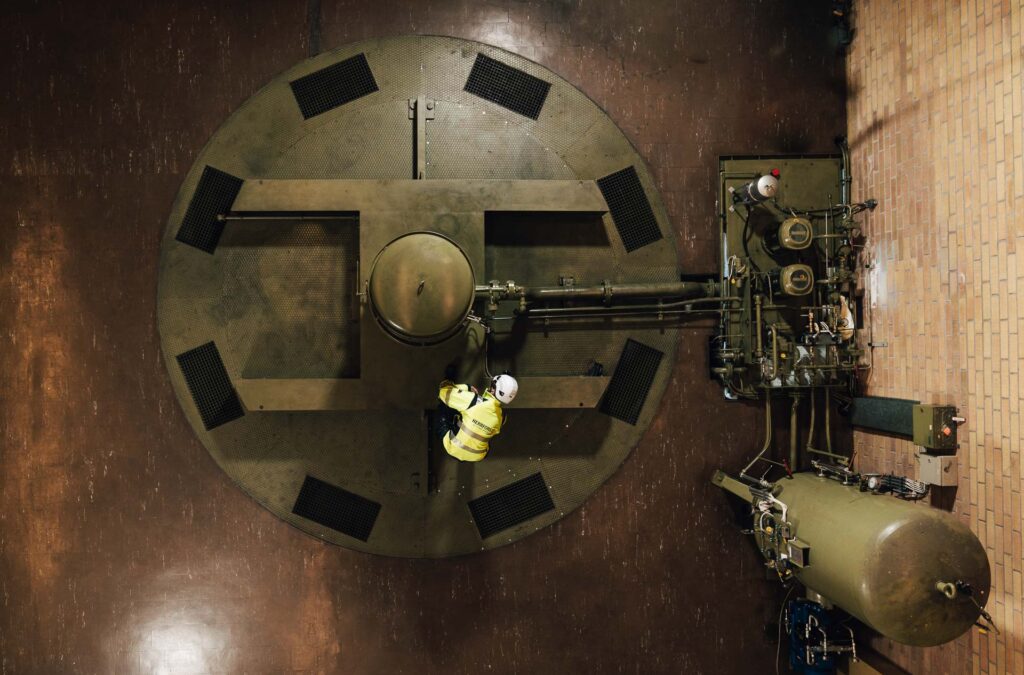
Water is stored in an upper reservoir and flows downward by gravity, which drives a turbine. The turbine is connected to a generator that converts the water’s kinetic energy into electricity. The electricity is then transmitted through a transformer into the power grid and from there to homes and businesses.Hydropower is based on a renewable natural resource: flowing water. During operation, electricity generation produces no direct carbon dioxide emissions.

Investment
The importance of hydropower for Herrfors
Herrfors’ history dates back to the turn of the 20th century, when hydropower production began on the Esse River. Over the years, the number of power plants and shares in hydropower plants across Finland has grown, and today hydropower represents a significant part of Herrfors’ production portfolio.
Current legislation largely limits the opportunities to build new hydropower plants. That is why at Herrfors we invest in the maintenance and modernization of our existing hydropower plants, so that we can continue to produce renewable energy locally in the future.
Fun facts
Facts about Herrfors Hydropower
Share of electricity produced by hydropower: 12.3%
In 2024, hydropower accounted for 12.3% of Herrfors’ electricity production. It complements wind and nuclear power with stable and controllable generation.
Over 100 years of hydropower
Herrfors’ first hydropower plant was commissioned on the Esse River as early as 1907.
Combining ownership and partnership
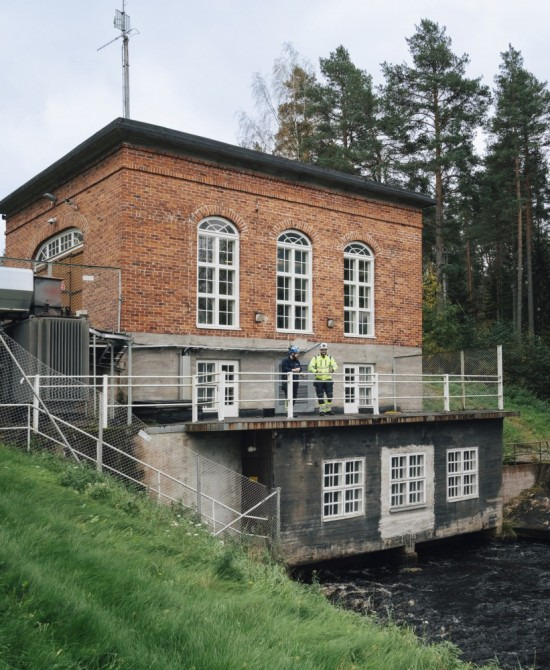
We have both our own hydropower plants and shares in regional projects. For example, the Kattilakoski, Långfors and Herrfors hydropower plants are 100% owned by Herrfors.

Portimokoski
Rakennusvuosi: 1987
Pudotuskorkeus: 16,50 m
Teho: 10.5 MW
Herrforsin omistusosuus: 0.25%
Björkfors
Rakennusvuosi: 1932 & 1964
Pudotuskorkeus: 7,00 m
Teho: 1.3 MW
Herrforsin omistusosuus: 100%
Isohaara
Rakennusvuosi / modernisointivuosi: 1949 & 1993 / 2016-2017
Pudotuskorkeus: 12,20 m
Teho: 112.5 MW
Herrforsin omistusosuus: 0.5%
Jolmankoski
Rakennusvuosi: 1955
Pudotuskorkeus: 5,00 m
Teho: 0.5 MW
Herrforsin omistusosuus: 0.25%
Kaitfors
Rakennusvuosi: 1981
Pudotuskorkeus: 20,00 m
Teho: 7.4 MW
Herrforsin omistusosuus: 61.4%
Kaarannekoski
Rakennusvuosi / modernisointivuosi: 1954 / 2009-2010
Pudotuskorkeus: 16,00 m
Teho: 3 MW
Herrforsin omistusosuus: 0.25%
Jumikoski
Rakennusvuosi / modernisointivuosi: 1954 / 2021
Pudotuskorkeus: 96,00 m
Teho: 27.8 MW
Herrforsin omistusosuus: 0.5%
Raasakka
Rakennusvuosi / modernisointivuosi: 1971 / 1997
Pudotuskorkeus: 21,00 m
Teho: 64.3 MW
Herrforsin omistusosuus: 0.5%
Maalismaa
Rakennusvuosi / modernisointivuosi: 1967 / 2009-2011
Pudotuskorkeus: 18,30 m
Teho: 38.6 MW
Herrforsin omistusosuus: 0.5%
Kierikka
Rakennusvuosi / modernisointivuosi: 1965 / 2005-2007
Pudotuskorkeus: 18,20 m
Teho: 37.5 MW
Herrforsin omistusosuus: 0.5%
Pahakoski
Rakennusvuosi / modernisointivuosi: 1961 / 2011-2013
Pudotuskorkeus: 20,50 m
Teho: 42.4 MW
Herrforsin omistusosuus: 0.5%
Haapakoski
Rakennusvuosi / modernisointivuosi: 1963 / 2007-2009
Pudotuskorkeus: 16,00 m
Teho: 32.6 MW
Herrforsin omistusosuus: 0.5%
Långfors
Rakennusvuosi: 1983
Pudotuskorkeus: 5,00 m
Teho: 1 MW
Herrforsin omistusosuus: 100%
Herrfors
Rakennusvuosi / modernisointivuosi: 1962 / 2008
Pudotuskorkeus: 3,50 m
Teho: 0,60 MW
Herrforsin omistusosuus: 100%
Finnholm
Rakennusvuosi / modernisointivuosi: 1958 / 2009
Pudotuskorkeus: 4,50 m
Teho: 1.1 MW
Herrforsin omistusosuus: 100%
Kattilakoski
Rakennusvuosi / modernisointivuosi: 1979 / 2021
Pudotuskorkeus: 9,00 m
Teho: 2.5 MW
Herrforsin omistusosuus: 100%
Kimo
Rakennusvuosi: 2008
Pudotuskorkeus: 10,50 m
Teho: 0.1 MW
Herrforsin omistusosuus: 100%
Harjavalta
Rakennusvuosi / modernisointivuosi: 1939 / 2014
Pudotuskorkeus: 26,40 m
Teho: 105 MW
Herrforsin omistusosuus: 0.1%
Melo
Rakennusvuosi / modernisointivuosi: 1971 / 1998-1999, 2014-2015
Pudotuskorkeus: 19,70 m
Teho: 67.9 MW
Herrforsin omistusosuus: 0.5%
Locations of Herrfors’ Hydropower Plants
Hydropower plants 100% owned by Herrfors:
- Björkfors, Finnholm, Herrfors, Kimo, Kattilakoski, Långfors
Hydropower plant where Herrfors is the majority owner:
- Kaitfors
Hydropower plants where Herrfors is a minority shareholder:
- Jolmankoski, Kaarannekoski, Portimokoski, Haapakoski, Isohaara, Jumisko, Kierikki, Maalisma, Melo, Pahakoski, Raasakka, Harjavalta.
Benefits and Challenges of Hydropower
Hydropower is an important part of Herrfors’ electricity production, but like all forms of energy production, it has both benefits, environmental impacts and other challenges.
Benefits of Hydropower
- Important role in regulating electricity production
Hydropower is responsible for a significant share of electricity production regulation, which is necessary to manage daily fluctuations in electricity use and to ensure the stability of the grid frequency. - Adapts to consumption
The regulation of water reservoirs, which act as energy storage, makes it possible to shift electricity production to times when demand is higher. Together with the fast and flexible controllability of hydropower, this makes it an effective way to balance the electricity system. - Renewable energy
Hydropower is a renewable and domestic energy source. During operation, electricity generation produces no direct carbon dioxide emissions. - Hydropower is used for electricity generation The quantity or quality of water does not decrease as it passes through the power plant.
- No direct air emissions during electricity generation
During operation, hydropower generation produces no direct carbon dioxide emissions. - Helps prevent floods
Hydropower is also used to combat flooding and reduce the damage it can cause. - Supports security of supply Hydropower plants are located across Finland. Decentralised and controllable electricity generation supports the security of the electricity supply.
Challenges of Hydropower
- Barriers for migratory fish
Dams affect fish populations and fishing, as they prevent fish and other small organisms from moving freely in waterways. Migratory fish, such as salmon and sea trout, are especially vulnerable because their migration to spawning and feeding areas is blocked. Hydropower companies carry out various measures to improve the situation for migratory fish. These include fish stocking, fish ladders, restoration of habitats, and fishing restrictions. - Fluctuations in water level
The negative impacts of hydropower production are often related to changes in water levels and flow rates, which can harm aquatic ecosystems, shoreline vegetation, and birdlife. Shoreline erosion is also one of the challenges that require solutions.
Frequently Asked Questions
Here you will find answers to the most frequently asked questions about hydropower.
Yes. Hydropower is a well-established and efficient way of producing renewable electricity. During operation, electricity generation produces no direct carbon dioxide emissions.
In 2024, hydropower accounted for about 12.3% of Herrfors’ total electricity production.
Choose Renewable Electricity – Easy and Responsible
With Herrfors’ Renewable Choice electricity contract, you are guaranteed that the electricity you consume is produced from 100 % renewable energy sources. You can make a climate-friendly choice without compromising on everyday comfort. Renewable Choice is available for all our contract types – pick the one that suits you best and make a sustainable decision.
- 100 % renewable electricity (wind, water, bioenergy)
- Verified origin with Guarantees of Origin
- Local and responsible energy production
More information about our electricity production methods
Herrfors’ main electricity production methods are hydropower, wind power, thermal power, and nuclear power. Read more about other electricity production methods in the articles below.