Thermal storage to keep district heating prices competitive
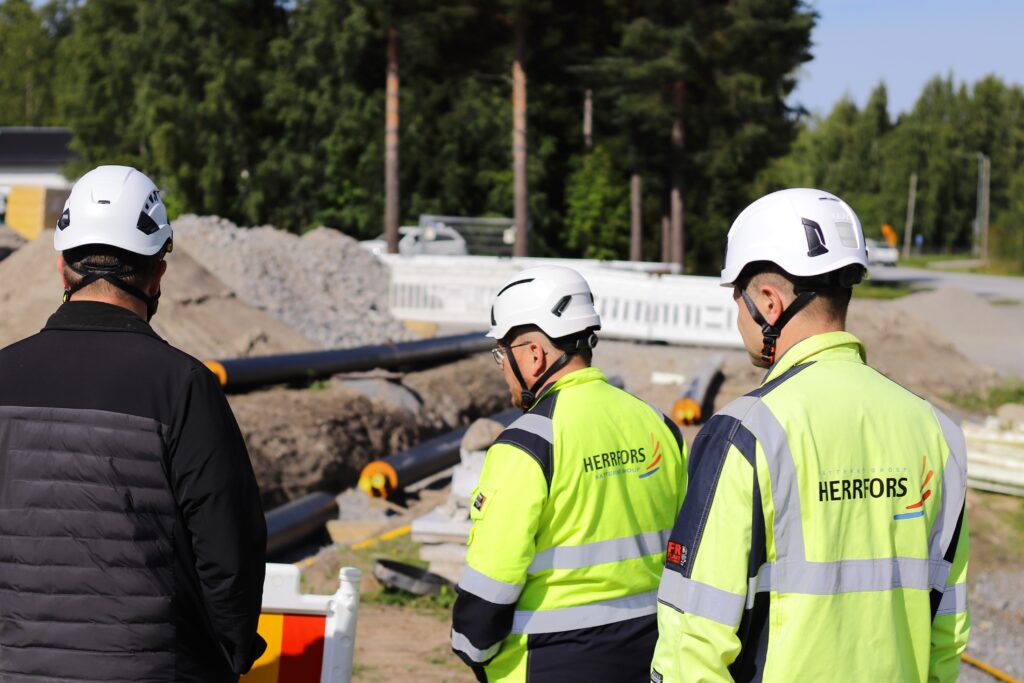
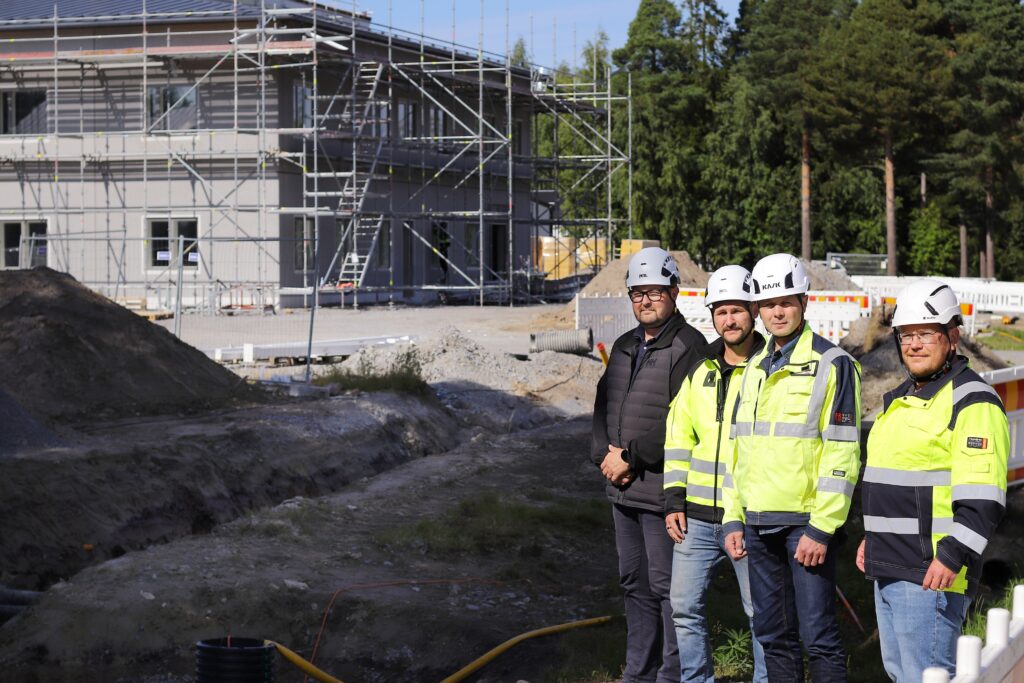
Herrfors has connected 1,000 properties to the district heating network in Jakobstad. In practice, this means that around half of the city’s population lives in homes heated by district heating, and almost everyone visits buildings that use district heating on a daily basis, such as schools and department stores. Herrfors is now investing in a large thermal storage facility in Sikören to ensure competitive prices also in the future – The investment aims to increase the use of renewable energy sources in production.
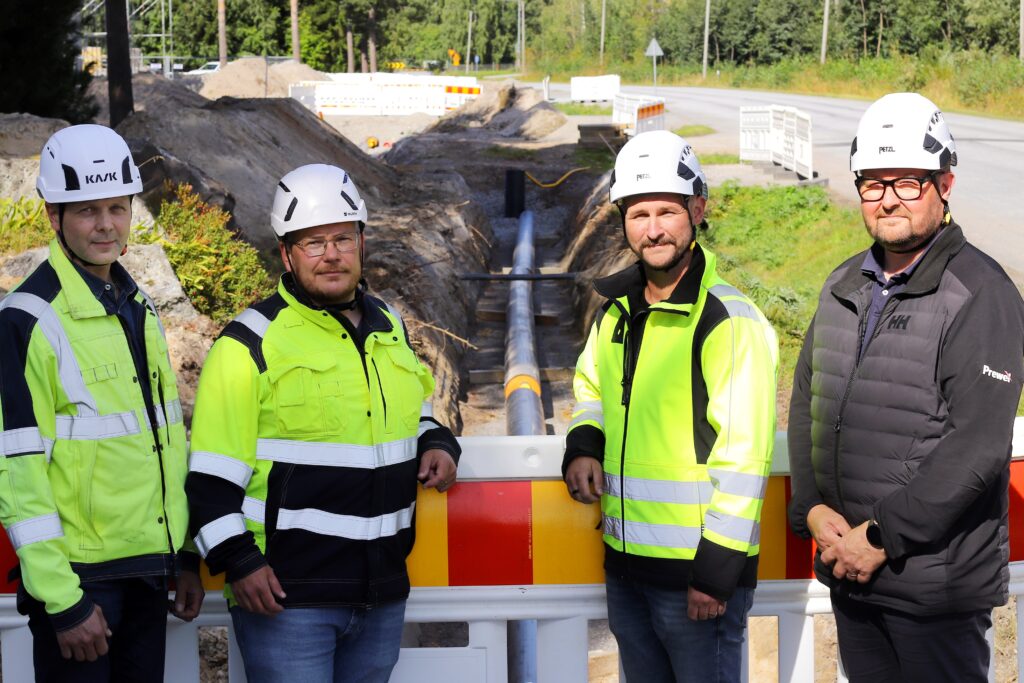
When Herrfors began expanding the district heating network in Jakobstad in the early 1970s, it was mainly larger properties that were connected. Over time, district heating also became popular among detached houses – particularly oil-heated homes, which could easily be converted to district heating. For consumers, district heating is a convenient and affordable form of heating.
– Today, around half of our district heating customers are private customers living in detached houses, but in terms of energy consumption, detached houses naturally account for only a small fraction of the district heating we supply. Most of the energy is used in industrial properties, public-sector buildings and larger residential buildings, says Jonas Asplund, Head of District Heating Development at Herrfors in Jakobstad.
How the new thermal storage facility works
The principle behind the investment in Sikören is simple. When electricity prices are low, a powerful electric boiler heats water, which is stored in an enormous tank inside a 40-metre-high and 20-metre-wide tower. When demand for heat increases – or electricity prices rise – the hot water is pumped out to district heating customers. This allows Herrfors to reduce the impact of price peaks and provide heating that is both more stable and more affordable.
– The thermal storage facility also enables us to increase the share of renewable energy in our own production. When renewable electricity is readily available and electricity prices are low, the facility’s electric boiler can operate at full capacity, says Jonas Asplund.

Asplund emphasises that district heating will continue to be an important heating system in the future. With this investment, Herrfors is preparing to continue offering district heating at a competitive price while also connecting more customers to the network. Herrfors currently performs very well in national price comparisons and is among the most affordable district heating providers in Finland.